You’ll get a CSA-tested 12 ft hose that lets you run 1 lb appliances from a 20 lb tank, extending run time and cutting disposable waste. The four-layer construction resists kinks, weather, rodents, and has heavy-duty brass, hand-tight fittings for tool-free hookup. Set the tank on level ground, hand-thread the regulator, route away from heat, then leak-check with soapy water. It’s durable and cost-saving for frequent users — keep reading for full setup and safety tips.
Some Key Takeaways
- 12 ft hose adapter connects 1 lb appliance fittings to 20 lb tanks, extending run time for grills, stoves, heaters, and griddles.
- Four-layer construction (PVC, cotton braid, PVC inner, stainless steel braid) resists kinks, weather, abrasion, and rodent damage.
- Heavy-duty brass fittings are hand-tightened, CSA-certified for pressure and leak integrity, and require no tools for installation.
- Users report stable flame performance and better wind resilience on Weber, Coleman, Blackstone, and Mr. Buddy appliances.
- Inspect before use, route away from heat/sharp edges, check leaks with soapy water, and replace if abrasion or bite damage appears.
How This 12FT Propane Hose Adapter Works and What It Fits
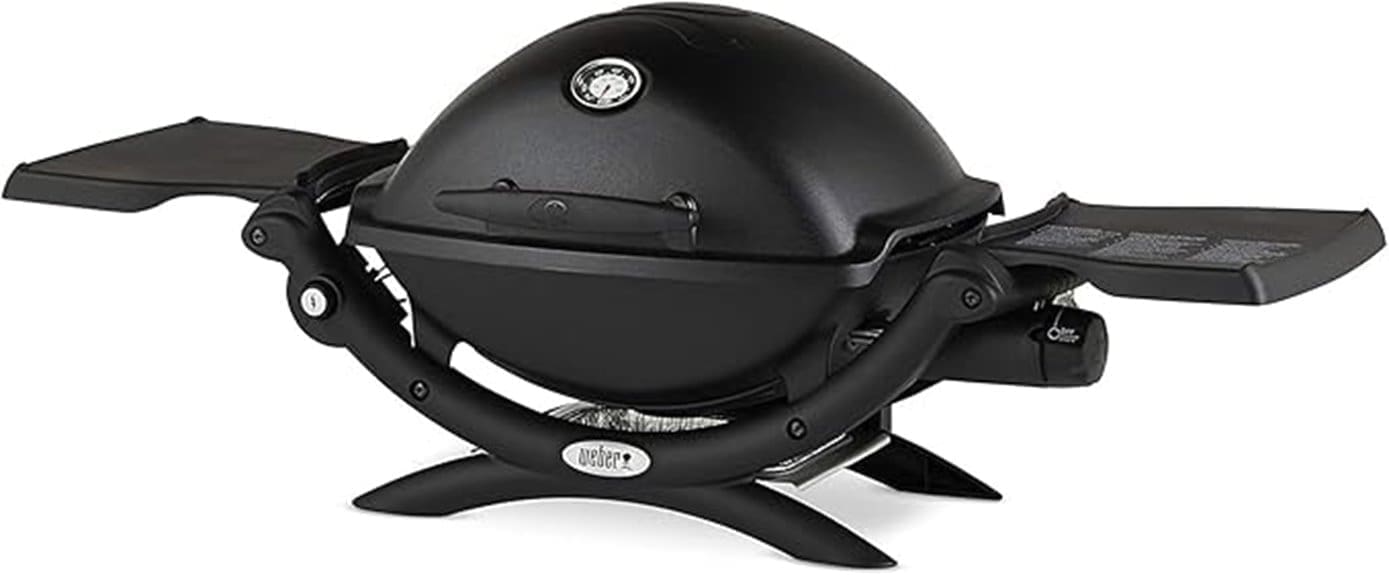
Hook up the 12 ft propane hose adapter and you’ll immediately see how it turns small, portable appliances into longer-running setups by linking 1 lb LP fittings to larger 5–40 lb tanks. You’ll maintain steady propane flow via a four-layer hose that resists kinks, weather, and rodents. Check appliance compatibility: Weber Q, Coleman stoves, Blackstone griddles (use regulator), and Mr. Buddy heaters fit or adapt easily. Hand-tighten brass fittings; no tools reduce installation error. Stay risk-aware: verify seals, inspect for damage, and confirm CSA certification before use. Use safe distances and follow appliance manufacturer limits. This adapter is one of several essential connectors for outdoor cooking setups that enable flexible grilling and heating options.
Quick Installation and Setup: Connect a 1 Lb Appliance to a 20 Lb Tank in Under 2 Minutes
Start by positioning your 20 lb tank on stable, level ground at a safe distance from open flames and your appliance, then keep the valve closed. Inspect hose and fittings; confirm CSA certification and no visible damage. Hand-thread the heavy-duty brass fitting to the tank regulator until snug — this tool free connection prevents overtightening. Route the 12 ft hose away from heat and sharp edges, attach the appliance’s 1 lb connector, then open the tank valve slowly while checking for leaks with soapy water. If you detect bubbles, close valve and perform quick troubleshooting: retighten connections, reseat seals, or replace damaged components before use. For improved grilling safety and to monitor fuel levels effectively, consider using a propane tank gauge to track remaining propane during long cookouts.
Real-World Performance: Grilling, Camping Stoves, Griddles, and Heaters Tested
With the hose connected and leak-checked as described, we moved on to real-world use across grills, camping stoves, griddles, and heaters to see how the adapter performs under normal operating conditions. You’ll notice stable flame consistency on Weber Q grills and Coleman stoves, with Blackstone griddles maintaining steady temperature control once regulator specs match. Portable convenience is real: setup stays compact and safe, and Mr. Buddy heaters deliver even heat. In breezy conditions the assembly showed good wind resilience; flames flickered less than with small disposable canisters. Monitor fittings and pressure; stop immediately if leaks or odd smells appear. Many portable propane grill users also find that carrying essential gear improves safety and convenience.
Durability, Safety, and Certification: Construction, Rodent Protection, and CSA Rating
Because your safety depends on both materials and certification, we examined the hose’s multi-layer construction and CSA rating to judge durability and risk mitigation. You’ll note four-layer design: weather-resistant PVC outer, high-tensile cotton braiding, anti-corrosion PVC inner tube, and stainless steel braid. That stainless braid enhances chew resistance and mechanical protection, improving material longevity in harsh outdoor use. CSA certification confirms testing for pressure, leak integrity, and fitting compatibility, so you can trust standardized safety limits. Inspect fittings and braid periodically; replace if abrasion, corrosion, or bite damage appears. Manufacturer support assists with certified replacement guidance. Many outdoor grillers also keep a spare regulator on hand for quick, safe replacement.
Cost, Waste Savings, and Who Should Buy This Adapter
Although the upfront cost of the hose and fittings is higher than a single disposable 1 lb cylinder, you’ll recoup that expense quickly by switching to a 20 lb tank: the adapter lets you replace frequent small-bottle purchases, cutting fuel spend and waste (potential savings up to about $100 over time) while also reducing plastic/metal waste from disposables. You’ll see clear cost savings in regular use. Consider environmental impact and reduced disposal hassle. Target buyers are frequent campers, tailgaters, grillers, and outdoor heaters’ users. Usage scenarios include extended trips and backyard setups where safety, convenience, and lower long-term expense matter. This adapter is ideal for those who use RV propane systems for outdoor cooking and grilling.
Some Questions Answered
Does It Work With Propane Regulators on Blackstone Griddles?
Yes — you can use it with Blackstone griddles if you attach a proper regulator. You’ll make certain propane pressure matches your griddle’s requirements; regulator compatibility is essential to avoid overpressure. The 12 ft hose supports connection but Blackstone 17″ and 22″ models need a regulator in-line. You’ll hand-tighten brass fittings, install in under two minutes, and verify CSA-certified safety and manufacturer support before operating.
Can I Use This Adapter Indoors With Proper Ventilation?
No, you shouldn’t use this indoors even with ventilation requirements met. You’re increasing fuel capacity and leak risk by connecting a 20 lb tank, which raises indoor safety concerns. If you must use propane indoors, follow appliance manufacturer rules, use certified indoor-rated regulators, guarantee continuous fresh air exchange, install carbon monoxide detectors, and keep the tank outside. Prioritize outdoor use to minimize fire, leak, and CO hazards.
Is the Hose Compatible With Dot/Asme-Certified Propane Cylinders?
Yes — you can use the hose with DOT/ASME-certified propane cylinders. You’ll rely on compatibility testing and material certification (CSA-listed) that confirm safe interfacing with standard 20 lb tanks. Still, you should inspect fittings and threads for proper sealing, make certain the regulator matches cylinder specs, and replace damaged components. If you’re unsure about your cylinder or regulator, contact the manufacturer for clarification before use to minimize risk.
How Often Should the Hose and Fittings Be Inspected or Replaced?
You should perform a visual inspection before each use and a detailed check at regular service intervals every 6–12 months. Look for cracks, fraying, corrosion, rodent chew marks, or loose fittings; replace immediately if you find damage or gas odor. Replace the hose every 3–5 years or sooner if exposed to harsh conditions. Keep records of inspections and service intervals, and contact manufacturer support for any uncertainty.
Are Replacement Parts or Longer Hoses Available From the Manufacturer?
Yes — the manufacturer offers replacement availability and can accommodate custom lengths in many cases. You should contact their support to confirm parts (brass fittings, hose assemblies) and request longer hose options beyond the standard 12 ft. They’ll verify compatibility, lead times, and any safety certifications for custom lengths. Keep records of serial numbers and follow their installation guidance to minimize leak and wear risks.